Trying to choose between Contra Costa and Wine Country? At first glance, you might expect a clear price divide, but the bigger difference is often how you want to live day to day. If you are weighing commute access, housing type, lot size, and setting, this comparison will help you look past headlines and focus on fit. Let’s dive in.
Price Is Not the Whole Story
A common assumption is that Contra Costa is always the more affordable option and Wine Country is always the premium play. Recent California Association of Realtors county data does not support that simple split. Contra Costa and Napa sit in the same upper-price band, while Sonoma comes in somewhat lower at the county level.
That matters because your decision should not rest on county name alone. In practice, the better question is what kind of home, land use, and daily routine you want for your money. When you compare the markets that way, the choice becomes much clearer.
Contra Costa: Suburban Efficiency
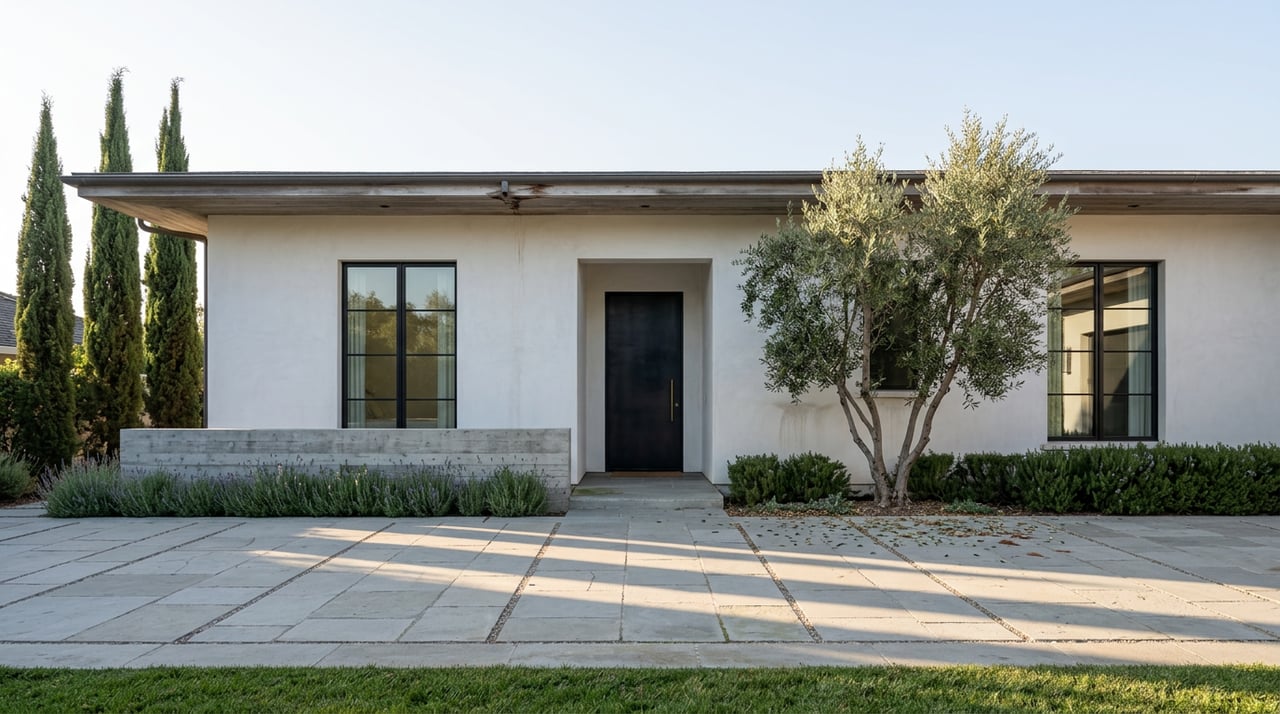
Contra Costa County is shaped by growth management, transportation, housing, conservation, and working lands. County planning materials also note that detached single-family homes remain the dominant housing type, even though attached and multifamily homes are a meaningful part of the housing stock.
For you as a buyer, that usually means more conventional suburban choices. You are more likely to find tract neighborhoods, townhomes, and condo communities, especially near transit-oriented areas. East County is also described in county housing analysis as somewhat more affordable than many other Bay Area locations.
What Contra Costa Often Offers
If your priorities lean practical, Contra Costa tends to check a lot of boxes. The county includes a mix of urban and suburban neighborhoods, along with agricultural communities in East County.
That mix can create a more commuter-oriented lifestyle. You may have more options that are designed around everyday convenience, standardized ownership patterns, and access to major transportation routes.
Wine Country: Land, Scenery, and Rural Character
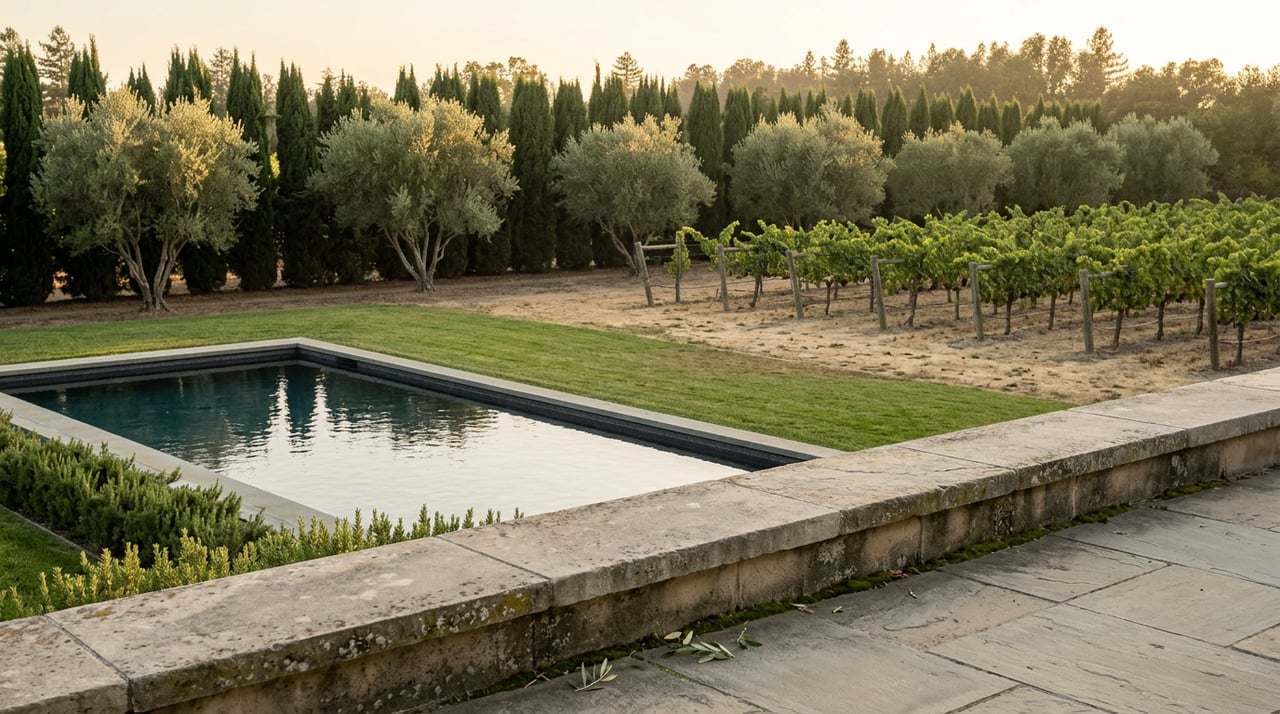
Sonoma and Napa follow a different land-use pattern. Sonoma planning documents describe rural residential areas as low-density places with few, if any, urban services, where detached single-family homes are the primary use. Napa’s land-use inventory separates the county into urban and suburban residential, rural residential, rural lands, farming, and grazing areas, with the unincorporated county dominated by rural lands rather than conventional suburban neighborhoods.
In real-world terms, that often translates into detached homes on larger parcels, estate-style settings, and rural-residential or vineyard-adjacent properties. It is not a universal rule, but it is a useful way to understand the overall market feel.
What Wine Country Often Offers
Napa County places a strong emphasis on preserving natural scenery, vineyards, and rural character. Sonoma takes a similar approach, with agricultural-preserve rules focused on long-term preservation of agricultural, scenic, open-space, and habitat lands while discouraging conversion to urban uses.
For you, that can shape both lifestyle and value. Views, open space, and agricultural surroundings often play a bigger role in how a property feels and how buyers perceive it over time.
Housing Types: Which Fits Your Life?
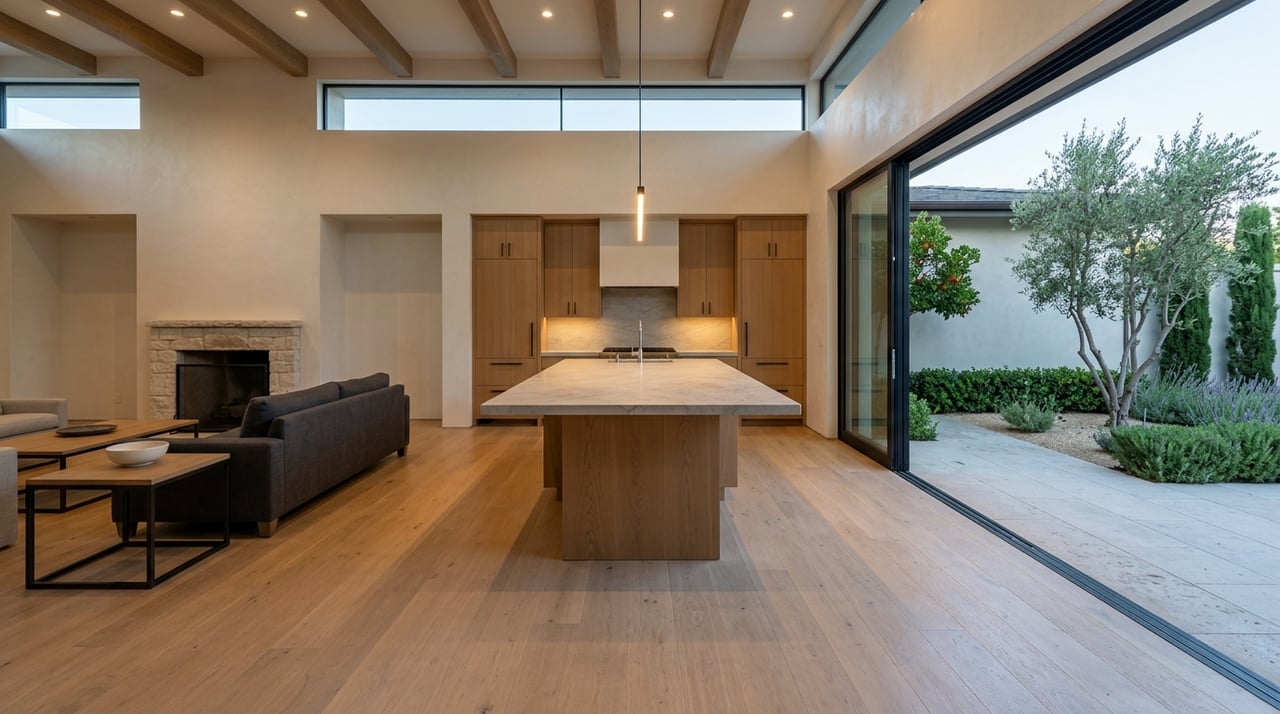
One of the clearest differences between these markets is the kind of housing stock you will see most often. Contra Costa generally gives you a broader mix of single-family homes, condos, and townhomes. Sonoma and Napa more often lean toward detached homes and larger land-oriented properties.
That difference affects more than style. It can influence maintenance, privacy, flexibility, and how closely your home is tied to the surrounding landscape.
| Market | Common Housing Pattern | Typical Lifestyle Fit |
|---|---|---|
| Contra Costa | Mix of single-family homes, condos, and townhomes | Buyers who want convenience, transit access, and more standardized suburban ownership |
| Sonoma | More detached homes in low-density and rural-residential settings | Buyers who want scenery, open space, and a stronger connection to land use patterns |
| Napa | More rural lands and detached homes outside urban areas | Buyers who value estate feel, agricultural surroundings, and preserved rural character |
Commute and Transit Matter More Than Many Buyers Expect
If your workweek includes regular Bay Area commuting, transportation may be the biggest deciding factor. Contra Costa has the strongest rail-transit structure of the three counties. The Pleasant Hill/Contra Costa Centre station is a clear example, where BART, buses, Highway 680, and the Iron Horse Trail come together.
That kind of infrastructure supports a more connected commuter experience. If you want the option to rely less on a car for part of your routine, Contra Costa generally offers the strongest setup.
Sonoma Transit Options
Sonoma is not disconnected, but it works differently. SMART serves cities including Santa Rosa, Rohnert Park, Cotati, Petaluma, Novato, San Rafael, and Larkspur, and it also connects with several regional transit providers through transfer discounts.
That gives the North Bay more transportation structure than many people assume. Still, it does not function like a BART-centered commute corridor.
Napa Transit Options
Napa is the most car-oriented of the three. County information says most residents still get around by car, while Vine Transit provides local, regional, and express service, including a Napa-BART Express and a Napa-Vallejo Connector to the Vallejo Ferry Terminal.
For many households, those services are helpful support systems rather than the default way of getting around. If your daily schedule depends on fast, repeatable transit access, that distinction matters.
Daily Setting: What Will Your Week Feel Like?
A home search is not just about square footage or price. It is also about how your environment shapes your routine. Contra Costa tends to feel more mixed-use and commuter-focused, with a blend of urban, suburban, and some agricultural areas.
Wine Country usually feels more landscape-driven. In Sonoma and Napa, open space, scenic corridors, and agricultural preservation often have a stronger influence on what you see outside your windows and how the area functions around you.
The Real Tradeoff: Efficiency vs. Character
When buyers compare Contra Costa with Sonoma or Napa, the decision often comes down to suburban efficiency versus Wine Country character. Contra Costa is usually the stronger fit if you value commute convenience, BART access, and a wider range of housing formats.
Sonoma and Napa are often better fits if you want more land, more scenery, and a home setting shaped by rural-residential and agricultural preservation policies. Neither path is automatically better. The right choice depends on how you want your property to support your everyday life.
Questions to Ask Before You Choose
Before you narrow your search, it helps to compare these markets on the same terms. Start with the practical side, then move into the lifestyle side.
Ask yourself:
- How often will you commute across the Bay Area?
- Do you want a condo, townhome, or detached home?
- How important are lot size and privacy?
- Are you comfortable with a more car-dependent routine?
- Do views, open space, or agricultural surroundings matter to you?
- Do you want a more standardized neighborhood setting or a more land-driven property experience?
Why Apples-to-Apples Comparison Matters
It is easy to compare two listings and miss the structural differences behind them. A home in Contra Costa may offer easier commuting and lower-maintenance ownership, while a Sonoma or Napa property may offer more land, a different setting, and a very different ownership experience.
That is why broad county averages only go so far. The most useful comparison looks at commute, parcel type, maintenance demands, and resale positioning side by side.
If you are weighing Contra Costa against Sonoma or Napa, working with someone who understands how these markets function on the ground can make the decision much easier. For tailored guidance on comparing suburban convenience with Wine Country living, connect with Randy Waller.
FAQs
How do Contra Costa and Wine Country home prices compare?
- Recent county-level data places Contra Costa and Napa in the same upper-price band, with Sonoma somewhat lower countywide, so price alone usually does not tell the full story.
What kinds of homes are more common in Contra Costa County?
- Contra Costa generally offers a broader mix of detached single-family homes, townhomes, and condos, often with more options in suburban and transit-oriented settings.
What kinds of homes are more common in Sonoma and Napa?
- Sonoma and Napa more often feature detached homes, larger parcels, rural-residential properties, and estate-style settings shaped by agricultural and open-space land-use patterns.
Is Contra Costa better for commuting than Sonoma or Napa?
- Contra Costa usually has the strongest commuter advantage because of its BART-centered transit structure, while Sonoma and Napa offer regional transit options that are typically more supplemental than primary.
Is Napa County more car-dependent than Contra Costa County?
- Yes, county transportation information says most Napa residents still get around by car, even though Vine Transit provides local, regional, and express routes.
What should buyers compare when choosing between Contra Costa and Wine Country?
- Focus on commute needs, housing type, lot size, maintenance, privacy, daily setting, and long-term resale positioning rather than assuming one county is automatically the better value.