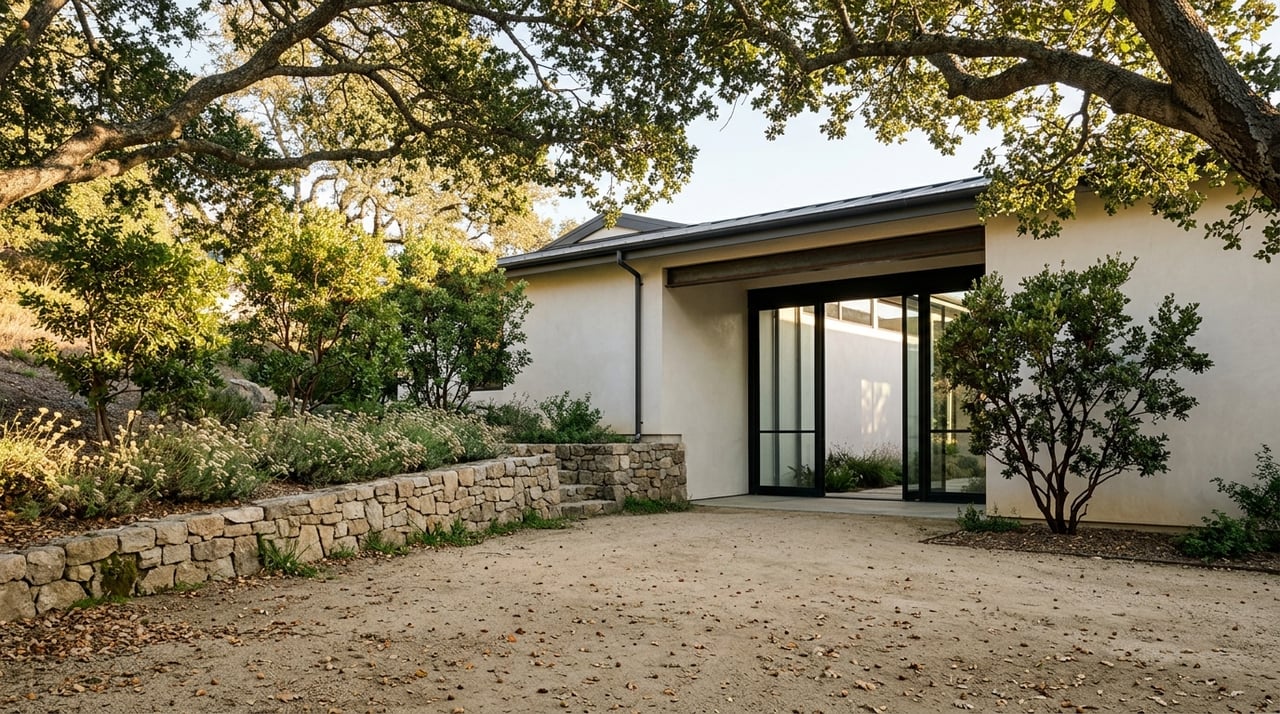
For three years, the building on the hill above Montgomery Drive just sat there. Cars still slowed down going past it, the way people do at a house where somebody used to live. The parking lot stayed empty. The old hillside sign kept its place at the bottom of the driveway, advertising a restaurant that wasn't open anymore. If you've lived in Santa Rosa long enough, you probably wondered the same thing everyone else did: what happens to a place like that.
This year you got your answer, and it turns out the answer says something bigger about how this town eats.
A Half-Moon Door and Fifty Years of Memory
The building opened in 1962 as The Hilltopper, a mid-century spot serving lobster thermidor and sole meunière for under four dollars. In 1976, Gaspare Bernardo took it over and turned it into The Villa, an Italian restaurant that held its ground for nearly fifty years. Spaghetti and meatballs. Tableside Caesar. Veal scaloppine on a hilltop with a view most restaurants would kill for. Bernardo retired in 2022 and closed the doors. The building sat empty on its 3.5-acre perch for roughly three years, quietly deteriorating while people debated what a developer might do with a hillside site that valuable.
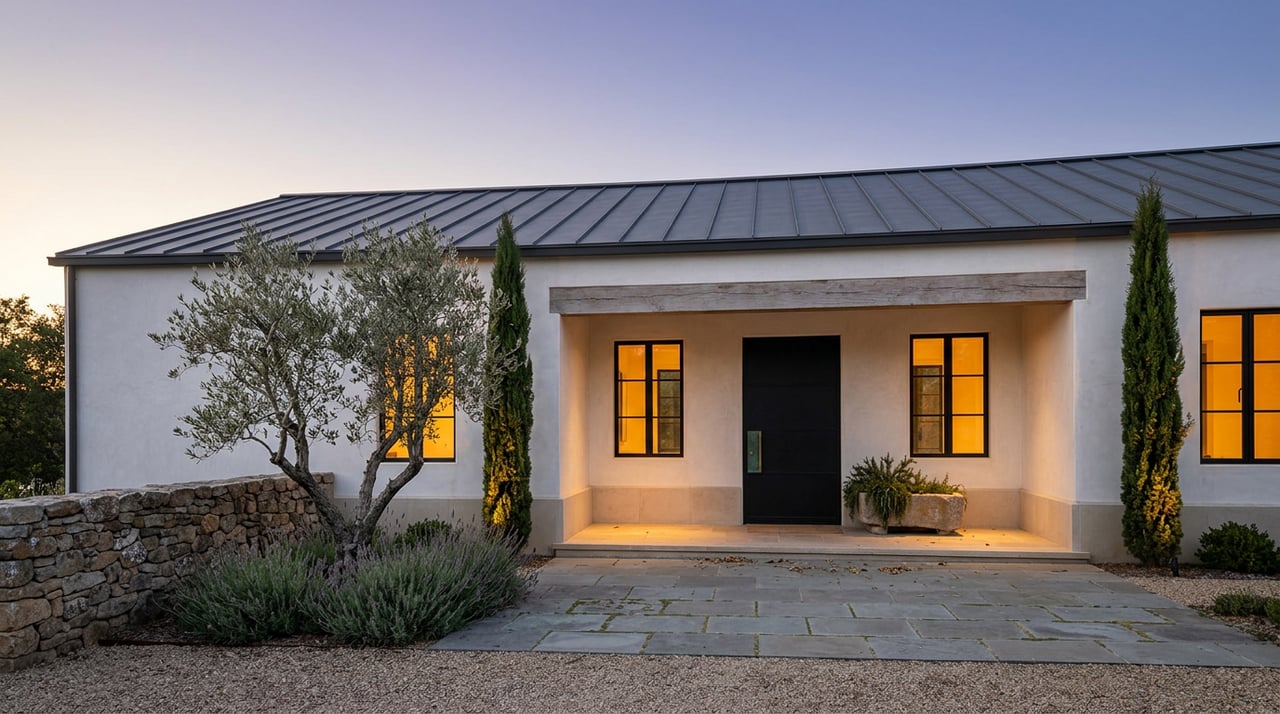
What happened instead was a restaurant, not a subdivision. Liz and Dez Fiedler, along with Jeff Krupman of San Francisco's Pizza Hacker, bought the property and spent about a year renovating it into The Junction, the second location of a beer garden the Fiedlers first opened in Mill Valley in 2020. The Santa Rosa version opened in May 2026 at 3901 Montgomery Drive, and it kept more of the old building than you'd expect from a full reimagining. The original front doors, with their distinctive half-moon cutouts, are still there. So are the vaulted ceilings. The hillside sign that welcomed generations of Santa Rosa diners stayed put too.
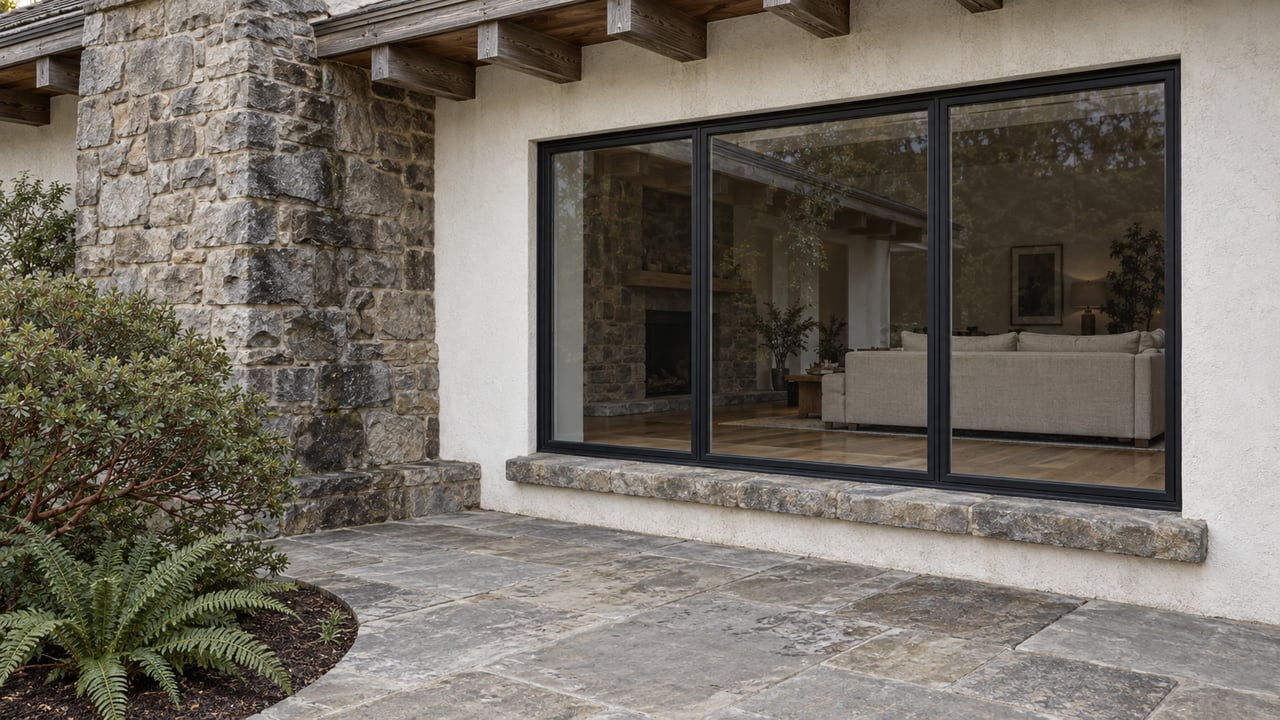
What's different is almost everything else. Floor-to-ceiling windows became full glass walls that push the view of Trione-Annadel State Park front and center instead of treating it as background. There's a 150-seat dining room, a 30-tap draft program, an on-site bottle shop, and a 4,000-square-foot beer garden with a play structure, a fire pit, and a screen-free arcade stocked with shuffleboard and vintage Skee-Ball. Unlike the Mill Valley original, this location has a full bar. The menu leans into large-format pizza built on Krupman's playbook: a Margherita at $22, a Hawaiian pie called the Forbidden Fruit at $26, a mushroom-and-Taleggio pie called the Shroomer at $28, plus wings, salads, and a kids' cheese pizza that the menu proudly notes comes with "Nothing Green." Co-owner Liz Fiedler told local press that neither she nor her husband fully grasped how much the building meant to the community until they took it over. Judging by opening weekend, when the restaurant filled all 500-plus seats, they understand now.
One practical note if you're planning a visit: the driveway is steep, and it fills up fast on busy nights. Some diners park below and walk up. There's an overflow lot, but treat the climb as the price of admission for a patio view of Annadel's oak woodlands at golden hour.
Farther Down the Same Road, the Same Story Played Out Smaller
The Junction isn't the only building on Montgomery Drive that changed hands and changed its story this year. Farther down the road, at 4323 Montgomery Drive, a cafe called Parkside Eats moved into the former Lepe's space this spring. Owners Hayley Cutri and chef Efrain Balmes had previously run Sonoma Eats out of Agua Caliente until that building went up for sale. Parkside Eats didn't need a slow build to find an audience. It opened serving breakfast, lunch, dinner, and weekend brunch, blending Mexican-influenced dishes like quesabirria and birria hash with California standards like burgers and fish tacos, and the neighborhood filled the seats almost immediately.
Across town in Montgomery Village, a similar handoff happened at 909 Village Court, where Olives and Agave opened in the space Cascabel quietly vacated last year. The new tenant swapped one cuisine for another entirely, tapas and Mediterranean plates in place of the concept that came before, but the pattern holds: an address Santa Rosa already knew got a new sign and a new reason to stop in.
Line them up and the shape of this year's dining scene gets clearer. It isn't really about brand-new construction. It's about buildings the city already had feelings about, changing hands and changing purpose.
| Old name | New name | Address | What stayed the same |
|---|---|---|---|
| The Villa | The Junction | 3901 Montgomery Drive | Half-moon front doors, vaulted ceilings, hillside sign, the hilltop view |
| Lepe's | Parkside Eats | 4323 Montgomery Drive | Neighborhood cafe footprint on Montgomery Drive |
| Cascabel | Olives and Agave | 909 Village Court | Storefront in Montgomery Village |
The Bakery That Isn't Trying to Replace Anything
Not everything new this year is a second act for an old address. Redwood Gospel Baking Company opened April 14, 2026, at 2447 Summerfield Road, tucked into the medical park that houses Redwood Gospel Mission's Family Campus. It's a different kind of new: a coffeehouse and bakery built from scratch, but with a purpose beyond croissants and kouign-amann. The cafe doubles as a culinary training program for people in the mission's residential recovery programs, giving them real customer-facing kitchen experience on the way to future employment. It's part of a growing network of Redwood Gospel Mission social enterprises that already includes a coffee roastery, a catering business, and a thrift store.
The cafe is open 7 a.m. to 2 p.m. Monday through Friday, with lunch starting at 10:30. It's a quiet addition compared to a 500-seat beer garden, but it fits the same underlying current running through Santa Rosa's food scene this year: buildings and businesses that carry meaning beyond the menu, whether that meaning is fifty years of history on a hilltop or a second chance for someone rebuilding a life.
Thursdays Still Belong to Railroad Square
If reopened landmarks are one thread, Railroad Square's summer schedule is the other. Every Thursday from June through August, the historic district runs Experience Railroad Square, when participating shops and restaurants stay open late from 5 to 7 p.m. with discounts, live music, and tastings. It's free, it's low-key, and it's the kind of evening that rewards people who already live close enough to wander down after work. Thursday, August 27, closes out this year's run, so if you haven't made it down yet, that's your window before the series picks back up next summer.
The district's bigger annual event, the Railroad Square Music Festival, has been part of the neighborhood's calendar since 2015, organized by The Lost Church, a nonprofit built around supporting small performance venues. It's free, all-ages, and dog-friendly, spread across multiple stages with a lineup that ranges from rock and jazz to Banda and Americana. Between the festival and the weekly Thursday series, Railroad Square has built a rhythm that doesn't depend on any single restaurant opening or closing. It's civic infrastructure as much as it is a business district.
What This Actually Says About the Season
Look at the full list of what changed in Santa Rosa this year and a pattern holds up better than any single opening does. The buildings that got the most attention weren't new. They were buildings this town already had opinions about, reopened by people who understood that the opinions were part of the value. The Junction kept the Villa's doors because ripping them out would have thrown away fifty years of goodwill along with the hardware. Parkside Eats and Olives and Agave stepped into spaces the neighborhood already knew how to find. Even Redwood Gospel Baking Company, the one genuinely new build in this roundup, is rooted in an organization that's been part of Santa Rosa's fabric for years.
None of this is really about restaurants. It's about a town that treats its buildings like they're worth keeping around, then finds new reasons to walk back through the door.
If you're the kind of person who notices when a building on your street finally turns its lights back on, you already understand Santa Rosa better than most market reports give you credit for. That's the same instinct Randy Waller brings to reading this market street by street, not just listing by listing. When you're ready to talk about what's happening in your corner of it, let's connect.