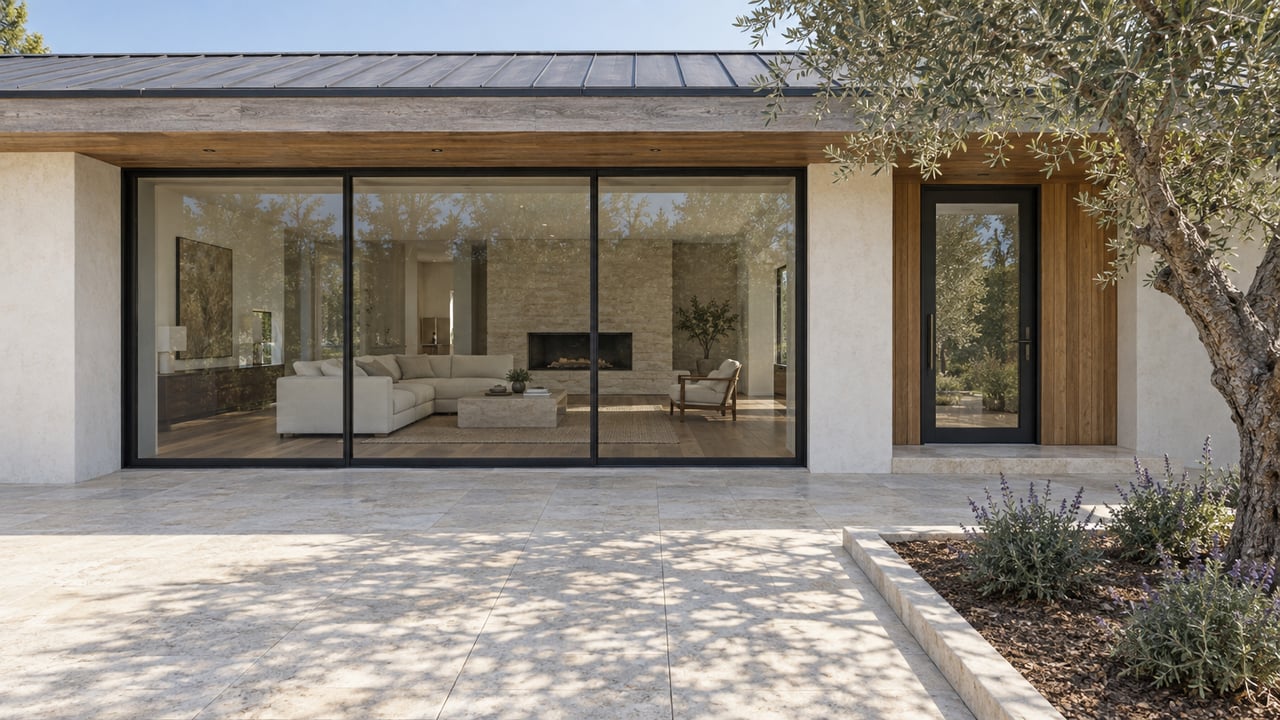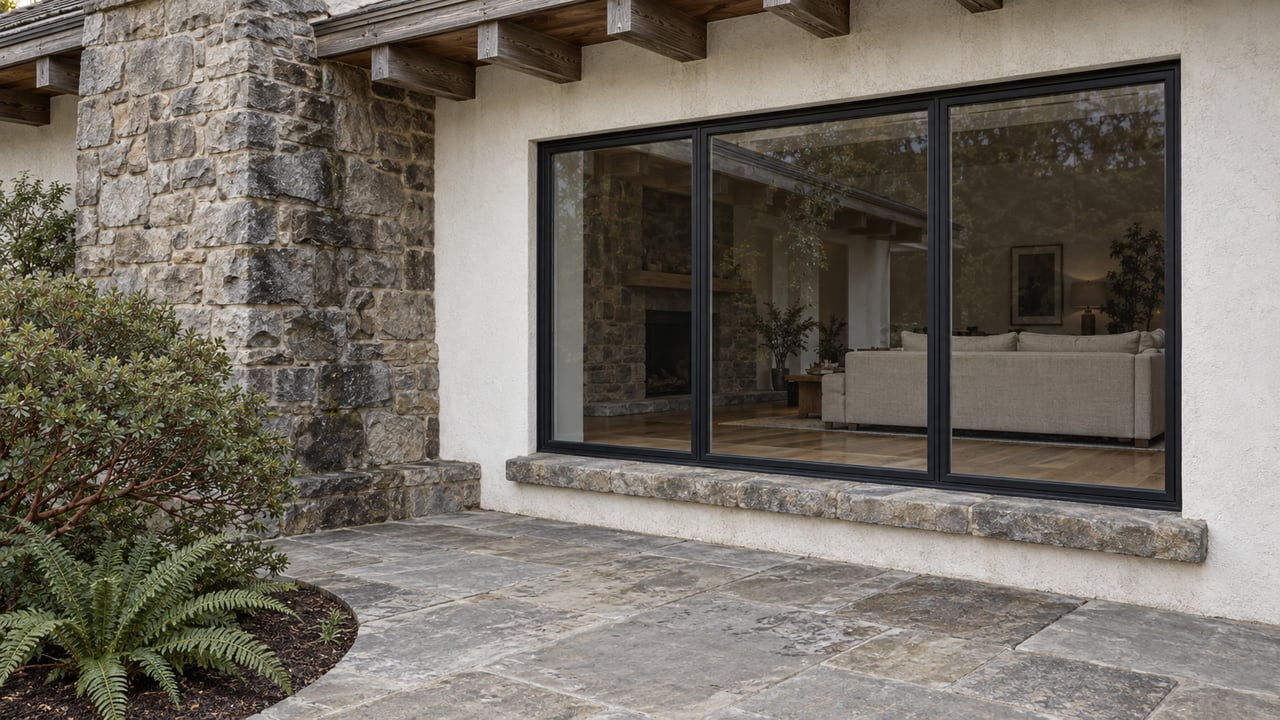
The headline this year was a furniture company. In January, RH signed a lease on the old Neiman Marcus building at 1401 Mt. Diablo Boulevard, the last big anchor space that had sat dark since the department store closed. Fifty thousand square feet across two buildings, a glass atrium restaurant, fireplaces, an outdoor wine program. It read like the story of downtown Walnut Creek finally turning a corner after five years of empty storefronts defining every conversation about the district.
Except you can't eat there yet. Construction on the RH compound was slated to start midway through this year, and the grand opening isn't targeted until early 2028. If you want to know what's actually different about walking around downtown right now, in August 2026, the RH deal tells you almost nothing. What tells you something is who already has keys in hand, and it keeps turning out to be the same small group of local operators who've been building this district for years.
The building you can already sit in
Walk down Bonanza Street and you'll pass 1535, a freestanding brick building that used to be a PG&E customer service office. It sat empty for years after the utility moved out. Now it's Stereo41, a music-first restaurant with a DJ booth, a hi-fi sound system, two patios, and an eclectic menu. It opened in November 2025, built by Victor Abu-Ghaben and his sister Sofia Hanan, who already ran LITA and World Famous Hot Boys a few blocks away. Neither of them was testing this market. They'd been feeding it for years.
A few blocks north at 1501 N. Broadway, Ruby Lou's opened in early 2026. Its founder, Megan Abraham Benshalom, spent two decades behind the bar at the View Lounge inside San Francisco's Marriott Marquis before bringing that same cocktail program east.
Neither of these places needed a five-year lease negotiation or a glass atrium. They needed a storefront and an operator who already understood the neighborhood's rhythm.
One family, five addresses, four decades
The Abu-Ghaben family didn't start with Stereo41. They've run restaurants continuously in Walnut Creek for close to 40 years, moving through early diner concepts before building the current roster:
- LITA
- World Famous Hot Boys
- Batch & Brine (Lafayette)
- Broderick Roadhouse
- Stereo41
Now they're working on another address. In July 2025, an Alcoholic Beverage Control license was filed under "Stillwater Inc." for 1555 Bonanza Street, the site of the former Walnut Creek Yacht Club, which closed last year after a long run as a downtown seafood staple. The plan is a concept called Oceania Fish Bar, and city approval is still pending on a redesign that adds ground-floor dining space and a second-floor headquarters. Given how quickly this same family turned the old PG&E building into Stereo41, the delay isn't about ability. It's about the difference between reopening a storefront and reworking an entire building's footprint, which takes longer no matter who's holding the pen.
The ramen math
Two new ramen concepts are converging on the same few blocks. Ramen Hiroshi has been a downtown fixture for years. Marufuku Ramen took over the former Extreme Pizza space on Cypress Street this spring, bringing its Hakata-style tonkotsu broth after a slow simmer the chain says runs twenty hours. Mensho, the San Francisco import known for creative bowls like duck matcha and Wagyu beef ramen, has been finishing its build-out on North Main Street in the former Essence space, trailing a season or two behind Marufuku.
That pattern isn't an accident. It's what happens when operators study the same foot traffic patterns and reach the same conclusion about what this specific audience already supports.
The counterpoint is North Italia, which opened this spring in the former Tilly's space next to the Cheesecake Factory in Plaza Escuela. It's a national concept with roughly 50 locations, backed by corporate real estate decisions rather than a local operator's read on the block. It arrived on schedule and it's a solid addition, but it doesn't carry the same local fingerprint as a family that's been feeding this neighborhood since before most of its current residents moved in.
The Foundry food hall's timeline
If you've lived downtown for more than a few years, you've heard about the Foundry. Developer Brian Hirahara, the same person behind Telefèric Barcelona, Slice House, and Va de Vi, has been planning a 24,000-square-foot European-style food hall at 1250 Locust Street since before the pandemic. The concept has stayed consistent across years of renderings: roughly 23 vendor stalls, a soaring open-air courtyard, a rooftop restaurant, a dedicated beer and wine building.
As of early this year, the city's planning portal still listed the project as approved, not under construction. Hirahara has told local reporters that tariffs and rising material costs have complicated the build and that his team is working through a redesign. He also built half the restaurants currently thriving downtown. The gap between how fast he can open a storefront and how long a from-scratch food hall takes to break ground says something specific: scale, not operator skill, is what stretches a timeline from months to years. The same is true of the RH compound and the same is true of the Foundry, run by two very different kinds of developers who've both learned the same lesson about building big in this district.
What's actually on the calendar
The retail layer keeps moving fast too. Yardbird, the furniture store that opened in 2023, closed just this week. Broadway Plaza is bringing in Rowan, an ear-piercing studio and jewelry brand, into the space Aveda used to occupy, and a SKIMS boutique has a late-summer opening penciled in. Saatva is taking over the spot Sleep Number held for more than 13 years. None of this requires city council votes or five-year leases. It requires a landlord and a signed term sheet.
On the events side, downtown just closed out its most experimental summer in years. The Walnut Creek Downtown Association debuted its new Entertainment Zone during the Locust Street Festival on July 8, letting visitors 21 and older carry drinks from participating businesses within a marked boundary along Locust and Cypress Streets. The second activation ran August 5. It's a small policy change, but it's the kind of civic tinkering that only makes sense once a downtown has enough bars and restaurants worth walking between.
The next fixed date worth knowing is Oktoberfest, running September 25 and 26, the district's biggest annual beer and bratwurst event.
What this actually tells you
The easy version of this story is "downtown Walnut Creek is booming," and every list of new openings makes that case without saying anything you couldn't already guess from walking down Locust Street. The more useful version is narrower. The restaurants you can actually sit down in right now were built by a handful of repeat local operators, mostly the Abu-Ghaben family and Hirahara's group, who know this specific customer base well enough to move from lease signing to open doors in months. The marquee anchor deal everyone keeps citing as proof of a turnaround, the RH compound, is still two years from opening. The community food hall, the Foundry, has been approved for years but remains unbuilt.
If you're trying to read what downtown actually feels like this year, the fast-moving storefronts are the real signal. The slow-moving anchor projects are still previews.
If you're weighing what any of this means for property in the neighborhood, or you just want to compare notes on what's actually worth the reservation, Randy Waller knows this area well enough to talk about both. Let's Connect.
This article is general information, not legal, tax or financial advice. Consult a qualified professional about your situation.