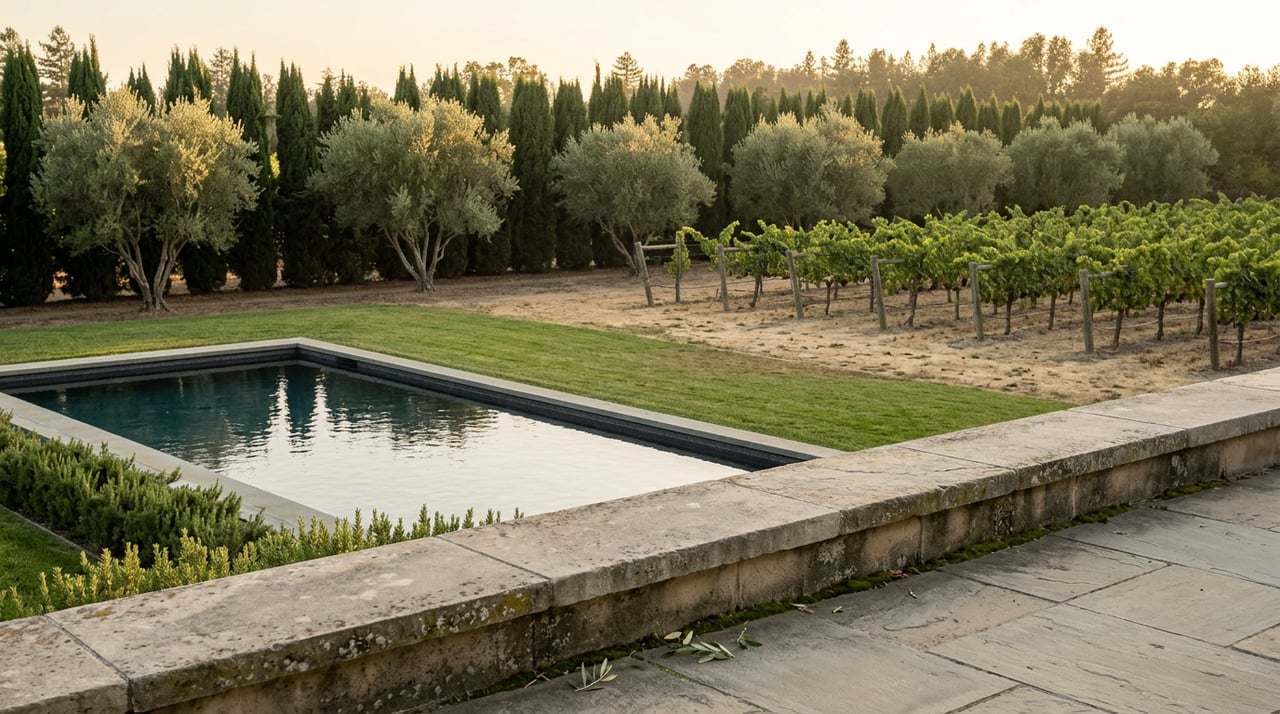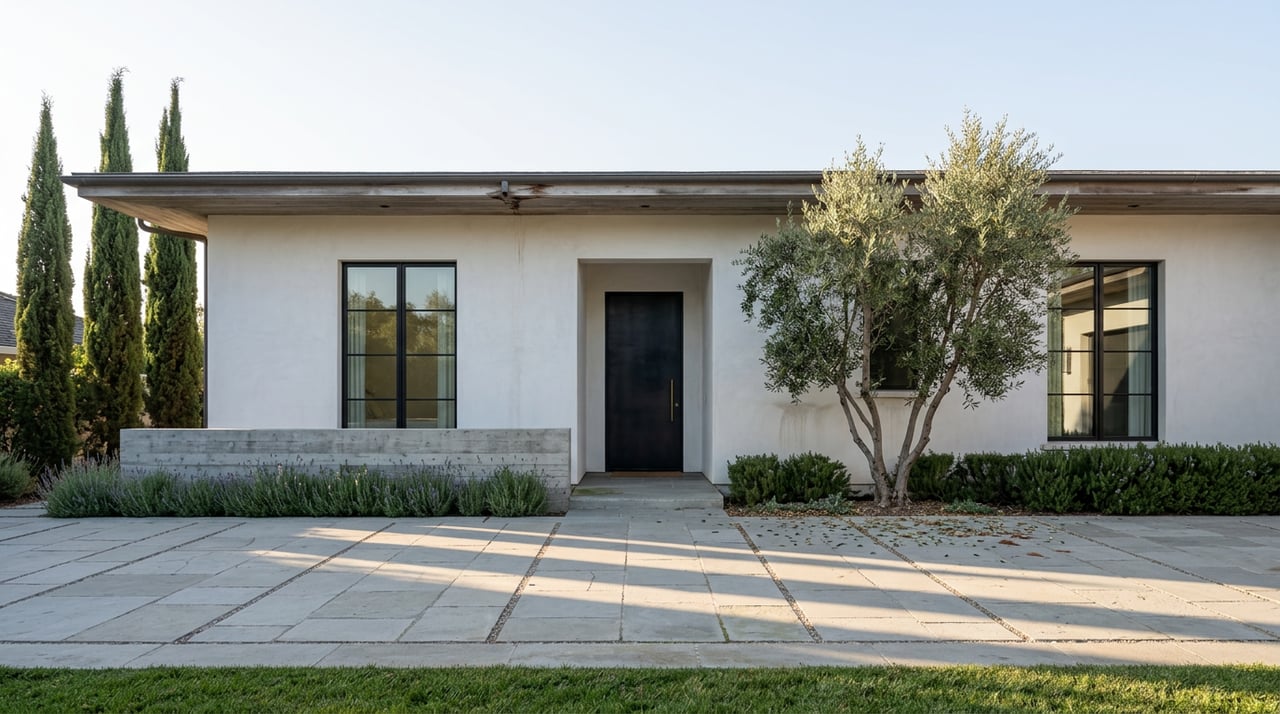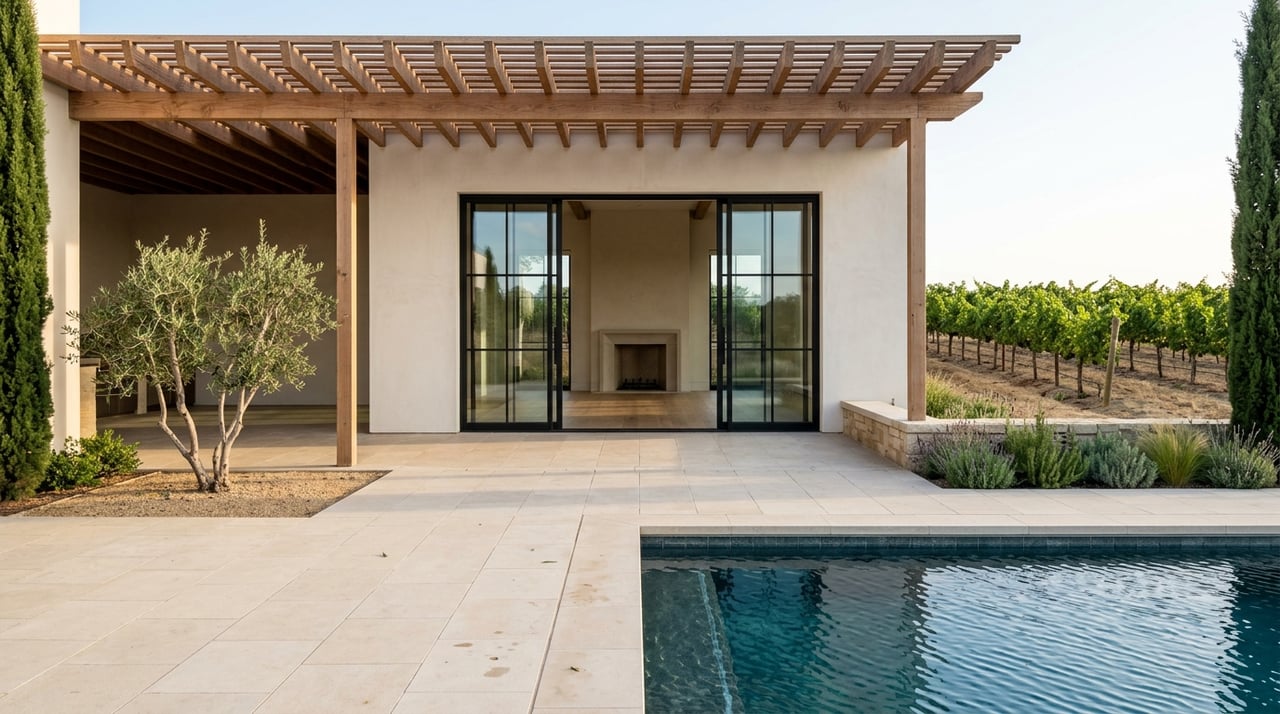
Dreaming about a home with vineyard views in Healdsburg? It is easy to see the appeal. The landscape is beautiful, the setting feels private, and the lifestyle can look like the best of Wine Country living. But buying a vineyard-adjacent home here is also more nuanced than buying a house in town. If you are considering this kind of property, it helps to understand how location, land use, utilities, and access can shape your experience long after closing. Let’s dive in.
Why vineyard-adjacent living feels different
Healdsburg is the residential and commercial center of a productive agricultural area, and the city’s long-term planning supports compact, city-centered growth while preserving surrounding agricultural land and open space. That matters if you are drawn to a home near vineyards because the rural setting around you is not accidental. It is part of how the area is intended to function.
In practical terms, that means a vineyard-adjacent property often offers a very different living experience than an in-town home. You may gain more privacy, broader views, and a larger parcel, but you also take on a more property-specific set of considerations.
City home or county property?
One of the first questions to answer is whether the home is inside the City of Healdsburg or in unincorporated Sonoma County. That line affects zoning, utility service, and which local rules apply to the property.
In town, homes are generally in more compact residential or mixed-use areas with city services. Outside town, properties are more likely to fall under rural residential or agricultural zoning categories, which often means larger lots, more separation between homes, and a setting shaped by active agricultural use nearby.
What you may notice on rural parcels
If you are shopping on the agricultural edge of Healdsburg, the physical setup can look very different from what you see in town. Rural properties may include longer driveways, larger outdoor areas to maintain, and structures or site features tied to rural land use.
That difference can be part of the appeal. It can also affect your maintenance needs, day-to-day convenience, and the scope of your due diligence before you buy.
Understand Sonoma County Right to Farm
For many vineyard-adjacent buyers, this is the most important issue to understand early. Sonoma County’s Right to Farm ordinance says properly conducted agricultural operations on agricultural land are not considered a nuisance if they were not a nuisance when they began.
The required county disclosure is very clear about what that can mean nearby. Agricultural activity may involve noise, odors, fumes, dust, smoke, insects, machinery at any time of day or night, and applications of fertilizers, soil amendments, seeds, and pesticides.
What that means for your lifestyle
A vineyard view can be beautiful, but the surrounding land is also a working landscape. Before you get attached to a setting, think honestly about whether you are comfortable with harvest traffic, equipment activity, and seasonal crop-management practices.
For the right buyer, this is simply part of living in a region with a strong agricultural identity. The key is going in with clear expectations instead of treating the surrounding vineyards as scenery alone.
Utilities can change the entire equation
A major difference between in-town and rural property is how water and wastewater are handled. The City of Healdsburg provides water service and operates the city wastewater system for city customers, while rural parcels outside those service areas may rely on private wells and onsite wastewater treatment.
That single difference can affect maintenance, inspections, future plans, and even whether certain improvements are realistic. A home that feels ideal on the surface may require a deeper review of basic infrastructure before you move forward.
What to review for wells and septic
If the property is outside city utility service, your diligence should go beyond a standard home checklist. Key items to review include:
- Well production
- Water quality
- Septic permit history
- Septic system capacity
- Whether the site can support planned additions, guest space, or heavier occupancy
This matters because Sonoma County ties permit approvals to water and septic approvals and system capacity. In other words, these are not small side issues. They can directly affect how you use the property now and in the future.
Access matters more than many buyers expect
With rural property, the driveway and approach to the home deserve close attention. Healdsburg’s fire code sets standards for fire apparatus access roads, driveway grades and surfaces, visible address identification, and approved access methods when gates or barriers are in place.
That makes access more than a convenience issue. It can affect safety, emergency response, maintenance obligations, and the practical use of the property.
Pay attention to gates, grades, and private roads
A gated entrance or long private drive may feel like a luxury feature, and often it is. But it is smart to ask how emergency access works, whether the driveway condition is appropriate for year-round use, and whether any fire-access requirements apply to the road or gate setup.
In Wildland Urban Interface areas, vegetation-clearance buffers along roads and driveways can also be required. That adds another layer of ongoing maintenance that buyers should understand before closing.
Wildfire review should be part of your search
Wildfire preparedness is a central part of due diligence in and around Healdsburg. The city advises residents to harden homes and maintain defensible space, and it identifies multiple defensible-space zones, including an access zone along roads and driveways.
The city also notes that about 30 percent of residential structures and almost 25 percent of the population are in moderate or high wildfire severity zones. For buyers looking at homes near vineyards or on the rural edge, that makes parcel-specific hazard review especially important.
What to check before you buy
A rural lot may come with more vegetation management and more emergency-planning responsibilities than a typical in-town property. Before closing, it is wise to review:
- Wildfire severity zone information
- Evacuation-zone maps
- Floodplain mapping
- Road and driveway clearance needs
- Defensible-space expectations around the home and access routes
These are practical ownership issues, not just technical details. They can shape your costs, maintenance routine, and comfort level with the property.
In-town convenience versus rural privacy
For many buyers, the decision comes down to lifestyle. In-town Healdsburg often means tighter lots, more walkability, and city-provided utilities and services. It can offer a simpler ownership experience with fewer rural infrastructure questions.
A vineyard-adjacent home usually offers something different: privacy, views, more land, and closer proximity to the agricultural landscape that defines the area. The tradeoff is that you may need to be more comfortable with right-to-farm impacts, access issues, well and septic diligence, wildfire-related maintenance, and a more detailed parcel review.
A smart buying approach for Healdsburg
The best vineyard-adjacent purchases usually happen when you balance emotion with careful review. It is natural to respond to the setting first. In Healdsburg, though, the details behind the setting matter just as much as the view itself.
A calm, informed process can help you separate a property that is merely beautiful from one that truly fits your goals. That means confirming whether the parcel is in the city or county, understanding utility service, reviewing access and hazard conditions, and making sure the realities of nearby agriculture align with how you want to live.
When you want clear guidance on a property with land, rural context, or vineyard proximity, working with a local advisor who understands both lifestyle and site-specific details can make a meaningful difference. If you are considering a vineyard-adjacent home in Healdsburg, Randy Waller can help you evaluate the opportunity with the local insight and practical perspective these properties deserve.
FAQs
What should you know about Right to Farm near Healdsburg vineyards?
- If the property is in unincorporated Sonoma County near agricultural land, required disclosures may note that nearby farming activity can include noise, odors, dust, machinery, insects, smoke, and crop-management applications at various times of day.
How do Healdsburg city homes differ from vineyard-adjacent county properties?
- In-town homes are generally more compact and more likely to have city utilities and services, while vineyard-adjacent properties are often on larger rural parcels with more land, more privacy, and more property-specific diligence needs.
What utility issues matter when buying a rural Healdsburg home?
- If the home is outside city service areas, you may need to review private well production, water quality, septic permit history, and system capacity before moving forward.
Why is driveway access important for rural Healdsburg properties?
- Access can affect emergency response, safety, and maintenance because local fire rules address driveway grades, surfaces, address visibility, gates, and access-road standards.
What wildfire checks should you make before buying near vineyards in Healdsburg?
- Review wildfire severity information, evacuation-zone maps, floodplain mapping, defensible-space needs, and any vegetation-clearance requirements along roads and driveways.
Is a vineyard view enough reason to buy a home in Healdsburg?
- A vineyard setting can be a major lifestyle draw, but it is best to pair that appeal with a close review of land use, utilities, access, wildfire factors, and your comfort with nearby agricultural activity.