Wondering why a beautiful Napa Valley estate can still sit longer than expected? In a market where Napa County’s median time on market reached 68 days in May 2026, buyers are still active, especially at the high end, but they are also more selective. If you are preparing to sell, the right updates, documentation, and presentation can help your property feel clear, compelling, and worth serious attention. Let’s dive in.
Why preparation matters in Napa now
Napa County’s median sold price for existing single-family homes was $927,000 as of May 2026, up 0.8% year over year. At the same time, homes moved more slowly than the statewide pace, with a 68-day median time on market compared with 22 days statewide.
That gap matters for estate sellers. It suggests buyers may take more time to compare options, revisit priorities, and scrutinize condition, layout, and outdoor usability before making an offer.
The good news is that higher-end demand has not disappeared. California sales above $2 million rose 8.5% year over year, and million-dollar sales made up a record 38.5% share of all transactions, which shows that qualified buyers are still participating when a property is positioned well.
Focus on lifestyle, not just scale
Today’s buyers are not impressed by square footage alone. Recent search and design-trend data point toward homes that feel comfortable, flexible, and easy to enjoy day to day.
In practical terms, that means your estate should highlight how you live in it, not just how large it is. Outdoor rooms, privacy, guest accommodations, and adaptable spaces often carry more weight than broad luxury labels.
Highlight usable outdoor living
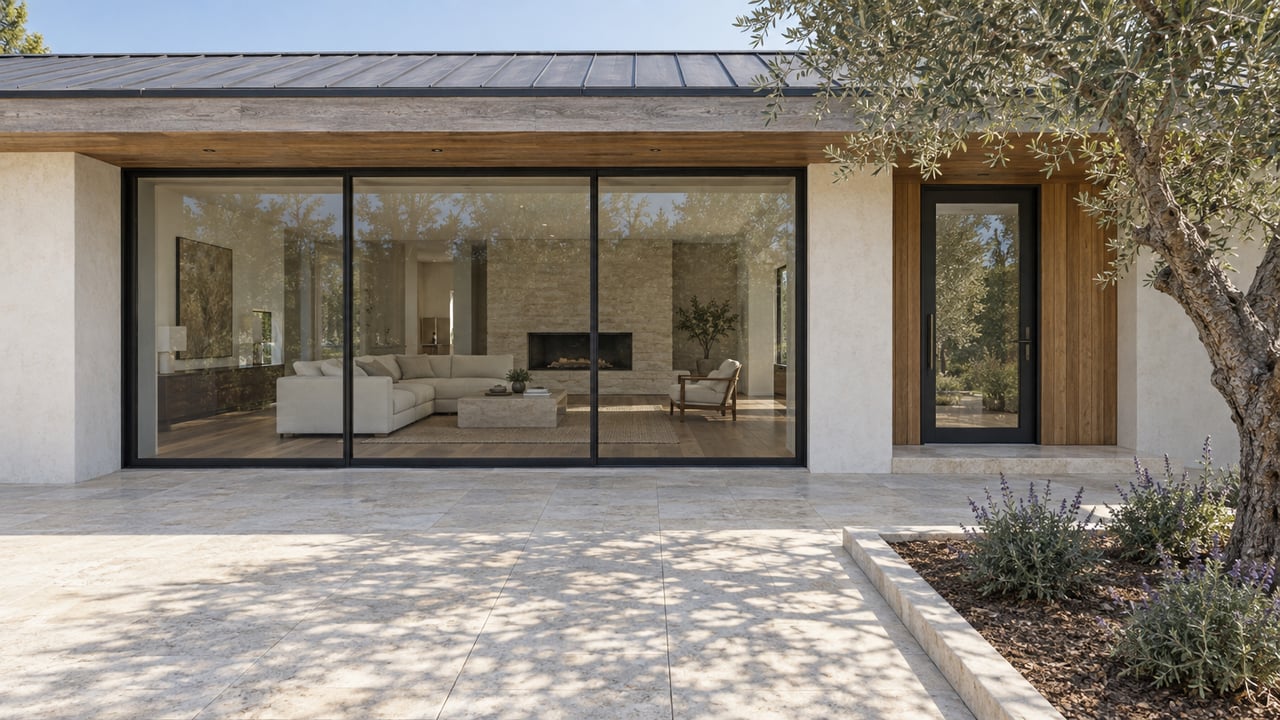
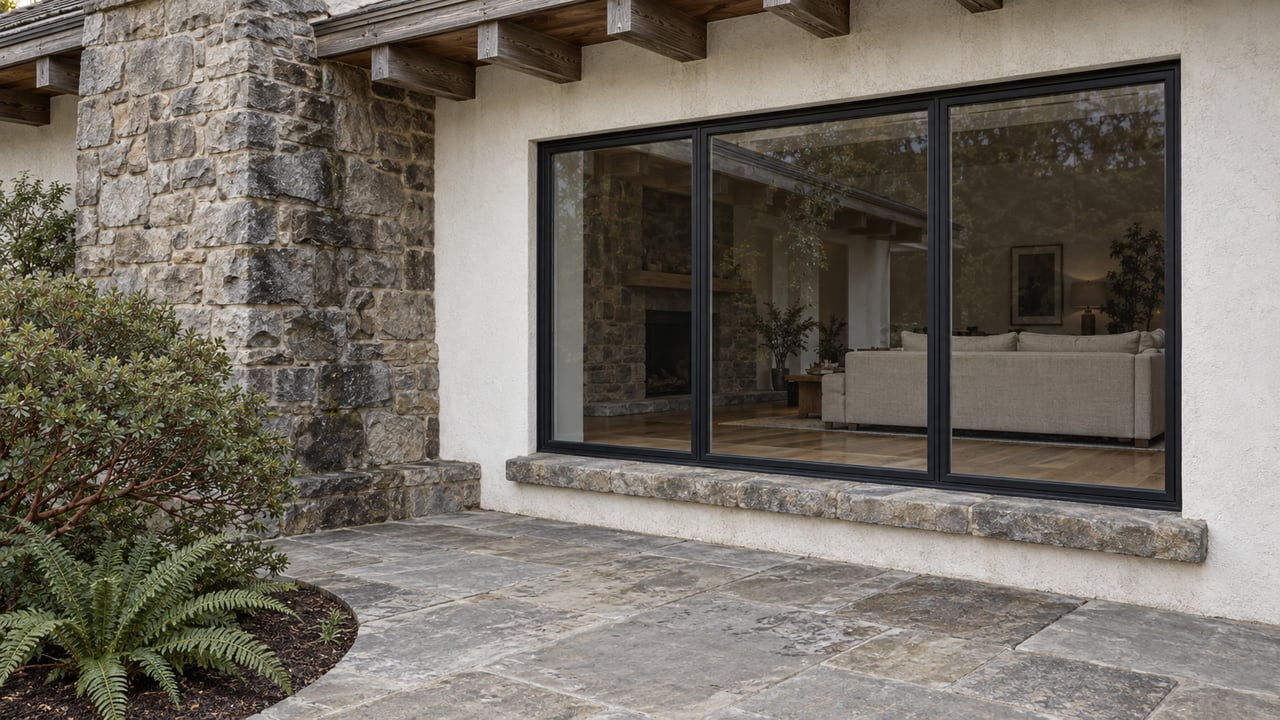
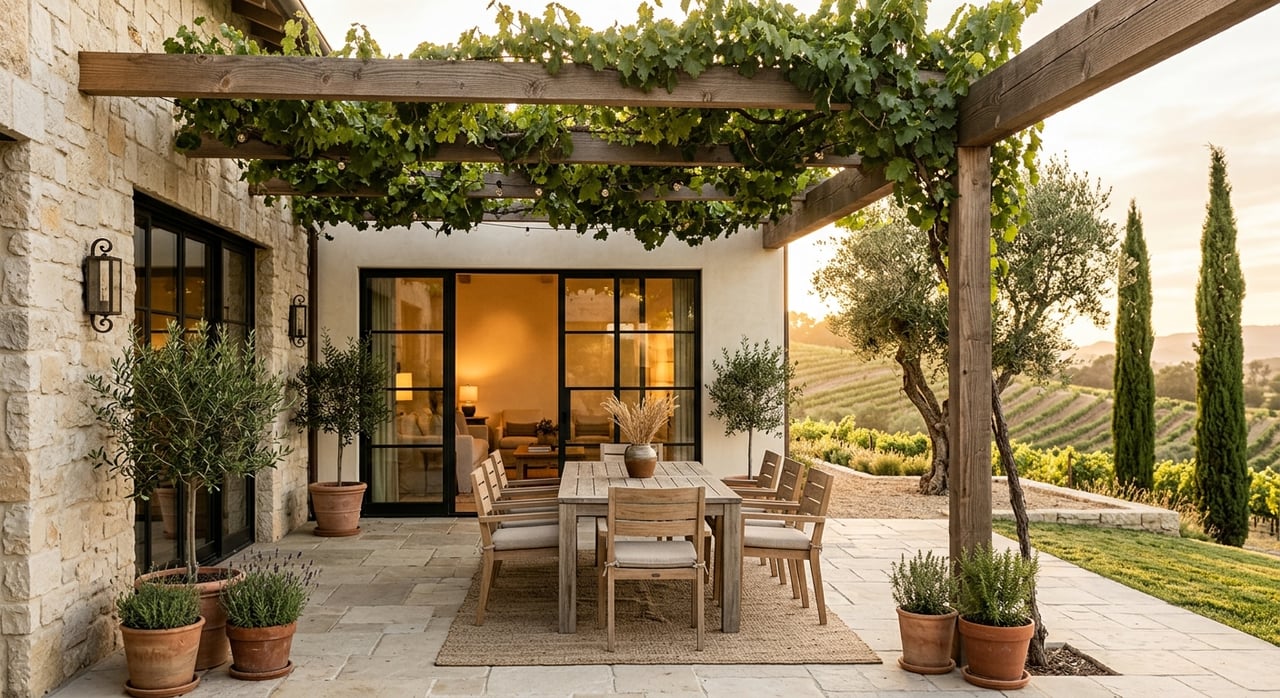
Patios, decks, courtyards, pools, and gardens should be treated like major living spaces. Design-trend data shows continued interest in outdoor living areas, covered outdoor space, and blended indoor-outdoor design.
Search behavior tells a similar story. Buyers are actively looking for features tied to views, patios, yards, pools, and gardens, so these areas should feel intentional, clean, and ready to use.
Before listing, look at each exterior zone and ask a simple question: does this space feel inviting and functional? If the answer is no, light improvements can make a big difference in photos and showings.
Prioritize privacy and clean presentation
Privacy is often part of the Napa estate appeal. Fenced yards, screening, and well-defined outdoor zones can help buyers picture peaceful day-to-day use without feeling closed off.
Clean lines matter here. Trim back overgrowth, simplify garden beds, remove visual clutter, and make sure pathways, seating areas, and pool surrounds feel maintained rather than busy.
Keep landscaping low-maintenance
Low-irrigation landscaping has gained traction in current design trends. For sellers, that does not mean stripping the property bare. It means making the landscape feel thoughtful, manageable, and seasonally appropriate.
In Napa, a polished landscape should read as both attractive and practical. Buyers often respond well to grounds that look established without seeming expensive or difficult to maintain.
Choose updates that create a strong first impression
You do not need to renovate every room to make an estate more marketable. The goal is to improve clarity, comfort, and confidence.
Start with the features buyers notice first, both online and in person. In many cases, small strategic improvements outperform expensive projects that add complexity or delay.
Best areas to address before listing
Focus first on the spaces that shape immediate perception:
- Entry sequence and approach from the drive
- Main living areas with natural light
- Kitchen and primary bath presentation
- Outdoor entertaining areas
- Pool, patio, and garden condition
- Guest quarters or flexible-use rooms
These areas tend to influence whether buyers feel the property is turnkey, well cared for, and aligned with Napa lifestyle expectations.
Smart prep without overspending
The most effective pre-listing work often includes:
- Deep cleaning inside and out
- Fresh paint where finishes feel dated or worn
- Lighting updates for brightness and consistency
- Minor repairs that remove buyer hesitation
- Landscape cleanup and irrigation checks
- Styling that clarifies room purpose
This kind of prep supports stronger photography and a more confident showing experience. It also helps buyers focus on the property’s strengths instead of creating a mental repair list.
Clarify guest house and ADU status
Guest accommodations are increasingly important to buyers. Search data shows stronger interest in ADUs, guest houses, casitas, and in-law suites, which makes secondary structures and flexible living spaces especially valuable when presented correctly.
In Napa, however, interest alone is not enough. You also need to document what the structure is, how it has been used, and whether permits support that use.
Why documentation matters
If your property includes a detached guest structure, conversion space, or secondary unit, buyers will want clarity. Ambiguity can slow the sale, raise concerns during due diligence, or lead buyers to discount value.
For properties in the City of Napa, project plans are routed through the Building Division. The City also accepts pre-reviewed ADU plans, and detached ADUs require a designated address ending in “Unit A.” Sprinkler requirements depend on the exact configuration.
Napa County’s guidelines define an ADU as a second unit that can be attached or detached. That distinction matters when a seller describes a guest house, studio, or converted space.
What to gather before marketing
Before the listing goes live, organize records for any secondary structure, including:
- Permit history, if available
- Building plans or improvement records
- Utility details and access information
- Addressing details for detached units in the City of Napa
- Notes on current and prior use
A clear file helps buyers understand what exists on the property and reduces confusion later in the process.
Prepare acreage and vineyard parcels carefully
On a larger estate, the land is not just background. It is part of the value story, and buyers often need help understanding how the parcel functions.
That is especially true when the property includes vineyard elements, multiple access points, outbuildings, or open acreage that may look impressive but raises practical questions.
Treat the grounds as part of the showing
Large parcels should be walked, cleaned, and framed just as carefully as the home itself. Overgrown edges, stray materials, neglected sheds, or unclear access routes can make the property feel harder to manage than it really is.
Napa County’s wildfire home retrofit guide notes that large-parcel lots can be vulnerable when vegetation, wood piles, or tool sheds become ignition factors. That makes cleanup near the home both a safety step and a presentation step.
Gather the right property materials
Buyers can verify site conditions through Napa County public resources, including map and record tools. Because of that, it helps to have your own property information ready and easy to review.
Useful materials may include:
- Parcel maps
- Access point details
- Maintenance records
- Basic property-history documents
- Permit records for structures or improvements
When the home and land are both clearly explained, buyers are better able to understand the full opportunity.
Make defensible space part of prep
In Napa, wildfire readiness is not separate from listing preparation. It is part of how a property is evaluated, especially for estates with larger lots, trees, outbuildings, and layered landscaping.
Napa County describes defensible space as a property’s frontline defense against wildfire and supports residents with tools like a Wildfire Fuel Mapper, a chipping program for unincorporated residents, and a wildfire home retrofit guide.
What to address before photos and showings
The county’s retrofit guidance emphasizes an ember-resistant zone near the home and regular attention to roofs, gutters, debris, decks, and outbuildings. For sellers, that means visible maintenance matters.
Before photography and tours, consider completing work such as:
- Clearing debris from roofs and gutters
- Removing dead plant material near the house
- Cleaning under decks and around outbuildings
- Relocating or reducing wood piles near structures
- Trimming back vegetation that crowds paths or walls
This work helps the property look better cared for while also aligning with local wildfire-prep guidance.
Know what to handle with professional support
Some estate prep tasks are manageable on your own. Others are better coordinated through an experienced agent and trusted vendors, especially when timing, permits, property records, and presentation strategy all need to line up.
This is often where expert guidance protects both time and value. A polished estate launch usually depends on more than just cleaning up and putting up a sign.
Tasks that benefit from experienced coordination
Professional support is especially useful for:
- Prioritizing pre-listing improvements
- Coordinating photography-ready staging and landscaping
- Reviewing permit questions tied to guest structures
- Organizing acreage, access, and property-history materials
- Positioning the estate around lifestyle and flexibility
- Timing market entry for maximum impact
For a Napa estate, the best results usually come from a plan that balances design, documentation, and local market judgment.
Preparation is not about making your property look generic. It is about helping today’s Napa buyers see the estate clearly, understand its features with confidence, and connect with the lifestyle it offers. If you are thinking about selling and want a strategic plan tailored to your home, land, and timing, Randy Waller can help you prepare and position your property with clarity and care.
FAQs
What updates matter most when preparing a Napa estate for sale?
- The highest-impact updates usually improve first impressions and usability, such as deep cleaning, paint touch-ups, lighting, landscape cleanup, outdoor living areas, and clear room styling.
How should you present a guest house or ADU in Napa?
- You should clearly document permit history, plans, addressing details, and current use so buyers understand whether the space is a guest structure, attached unit, or detached ADU.
Which outdoor improvements matter most for Napa buyers?
- Buyers are often drawn to usable patios, pool areas, clean landscaping, privacy features, gardens, and outdoor spaces that feel easy to enjoy and maintain.
What should you gather before listing a Napa acreage property?
- It helps to organize parcel maps, access details, maintenance records, permit history, and basic property records so buyers can evaluate both the home and the land more easily.
How much defensible-space work should be done before listing a Napa property?
- Visible cleanup near the home should be completed before photography and showings, especially around roofs, gutters, decks, outbuildings, wood piles, and overgrown vegetation.
When should a Napa seller bring in professional help?
- Professional guidance is especially helpful when the property includes guest structures, larger parcels, permit questions, or a longer prep list that needs to be prioritized for market impact.