By Randy Waller
I work with homeowners who want to make smarter choices about their homes without sacrificing comfort or style. Making a home more eco-friendly isn’t about doing everything at once or committing to extreme changes. It’s about practical improvements that reduce waste, lower ongoing costs, and make the home more efficient for everyday living. These eco-friendly home tips focus on realistic updates I see homeowners successfully implement in my local market, especially when they’re thinking about long-term ownership or future resale.
Key Takeaways
- Eco-friendly home tips can be implemented gradually and strategically.
- Efficiency upgrades often improve daily comfort, not just sustainability.
- Thoughtful improvements can support long-term value in the local market.
- Small changes often add up to meaningful impact over time.
Start With Energy Efficiency Basics
Energy efficiency is often the easiest place to begin.
Why Efficiency Comes First
Foundational Improvements to Consider
- Sealing air leaks: Improving comfort and reducing energy loss.
- Upgrading insulation: Supporting consistent indoor temperatures.
- Energy-conscious habits: Using systems more intentionally.
Upgrade to Energy-Efficient Lighting
Lighting is a simple but effective improvement.
How Lighting Impacts Efficiency
Smart Lighting Changes
- LED fixtures: Long-lasting and energy-efficient.
- Strategic placement: Maximizing light where it’s needed most.
- Natural light use: Making better use of windows and daylight.
Improve Heating and Cooling Performance
Comfort and efficiency go hand in hand.
Why System Performance Matters
Areas Worth Evaluating
- System maintenance: Keeping equipment running efficiently.
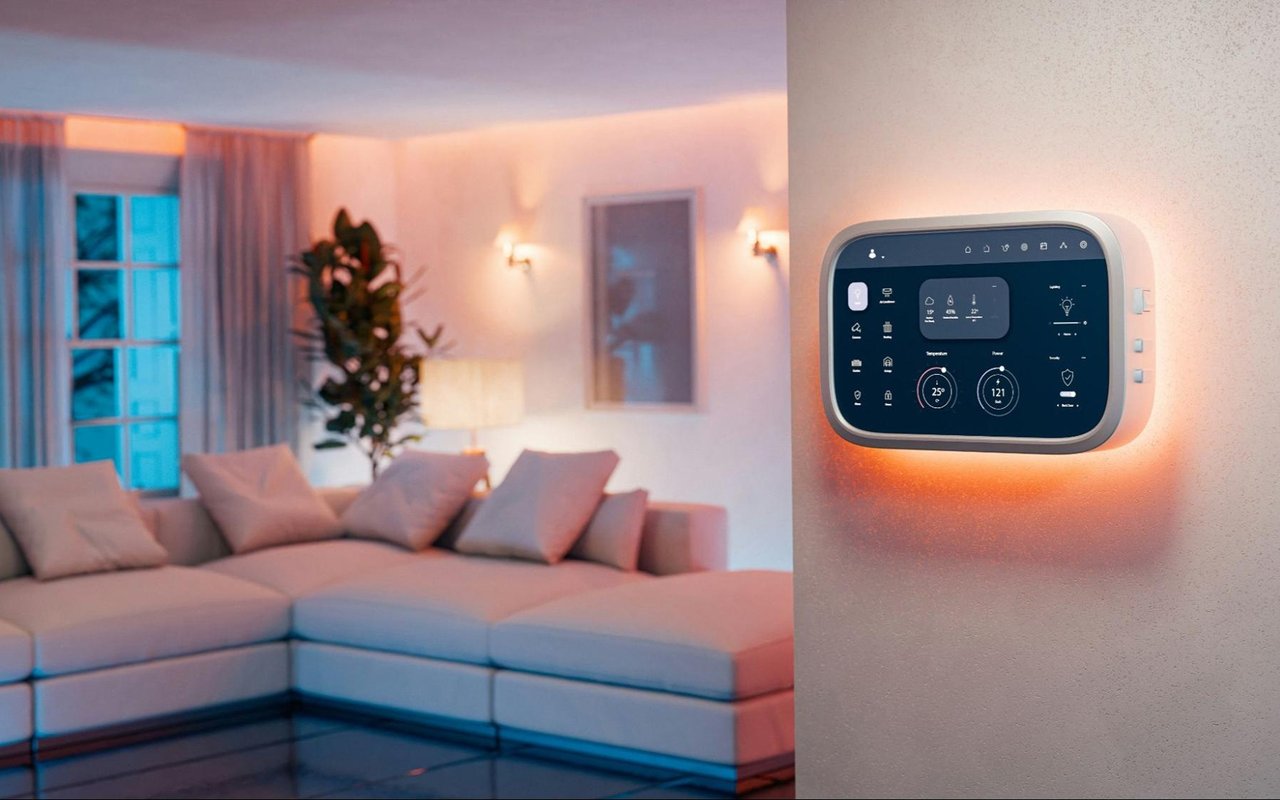
- Programmable controls: Managing temperature intentionally.
- Zoning considerations: Avoiding wasted energy in unused spaces.
Choose Eco-Friendly Materials During Updates
Materials matter more than many homeowners realize.
Where Material Choices Make a Difference
Sustainable Options to Explore
- Low-emission finishes: Improving indoor air quality.
- Durable flooring: Reducing replacement frequency.
- Responsibly sourced materials: Supporting longevity.
Focus on Water Efficiency
Water-conscious updates support both sustainability and cost control.
Where Water Savings Add Up
Practical Water-Saving Ideas
- Efficient fixtures: Reducing everyday usage.
- Leak awareness: Addressing small issues early.
- Outdoor water planning: Using water more intentionally outside.
Upgrade Appliances With Purpose
Appliance upgrades should be strategic, not rushed.
How to Approach Appliance Changes
What I Recommend Homeowners Consider
- Energy performance: Choosing efficient models.
- Usage patterns: Matching appliances to real needs.
- Long-term reliability: Avoiding frequent replacement.
Improve Indoor Air Quality Naturally
A healthier home environment benefits everyone.
Why Air Quality Matters
Simple Ways to Improve It
- Proper ventilation: Supporting fresh airflow.
- Low-emission materials: Reducing indoor pollutants.
- Regular system upkeep: Keeping air moving cleanly.
Think About Outdoor Sustainability
Eco-friendly choices extend beyond the walls.
Sustainable Outdoor Practices
Outdoor Improvements That Help
- Native-friendly landscaping: Supporting natural balance.
- Thoughtful lighting: Reducing unnecessary usage.
- Durable exterior materials: Minimizing maintenance needs.
Use Smart Home Technology Wisely
Technology can support sustainability when used intentionally.
How Smart Features Improve Efficiency
Useful Smart Upgrades
- Smart thermostats: Managing energy use efficiently.
- Lighting controls: Reducing waste automatically.
- Monitoring tools: Tracking usage patterns.
Reduce Waste Through Everyday Choices
Sustainability isn’t limited to renovations.
Small Habits That Make a Difference
Everyday Eco-Friendly Practices
- Mindful consumption: Reducing unnecessary use.
- Recycling systems: Making sorting easy.
- Maintenance awareness: Extending the life of home features.
Balance Sustainability With Market Appeal
Not every green upgrade has the same impact.
How I Help Homeowners Think Strategically
What to Balance
- Personal values: What matters to you day to day.
- Local buyer expectations: What resonates in the market.
- Long-term flexibility: Updates that age well.
Plan Improvements Over Time
You don’t need to do everything at once.
A Phased Approach Works Best
How to Plan Effectively
- Start with impact: Focus on efficiency first.
- Budget intentionally: Spread projects over time.
- Evaluate results: Adjust plans as you go.
Why Eco-Friendly Homes Stand Out
Sustainability is increasingly part of buyer decision-making.
How Eco-Friendly Choices Influence Perception
What Buyers Often Notice
- Lower operating costs: Predictable ownership expenses.
- Comfort consistency: Homes that feel balanced.
- Future readiness: Features that align with long-term trends.
FAQs
Are eco-friendly upgrades expensive to implement?
Not always. Many improvements are affordable and can be done gradually.
Do eco-friendly homes appeal to more buyers?
Yes. Efficiency and comfort tend to resonate broadly with buyers.
Should I focus on eco-friendly updates before selling?
It depends, but strategic improvements can strengthen overall appeal.
Contact Me Today
If you’re interested in eco-friendly home tips and want guidance on which updates make the most sense for your home and your goals, I’m here to help. I work with homeowners who want to balance sustainability, comfort, and long-term value.
When you’re ready to talk through options or plan your next steps, reach out to me at Randy Waller. I’ll help you make thoughtful, practical improvements that support both your lifestyle and your home’s future.
When you’re ready to talk through options or plan your next steps, reach out to me at Randy Waller. I’ll help you make thoughtful, practical improvements that support both your lifestyle and your home’s future.